Cavity wall insulation in Teesside
Cavity wall insulation in Teesside costs £700 to £1,500 for a typical semi in 2026, installed in half a day with a 25-year CIGA guarantee. Most 1930s-to-1990s houses have fillable cavities; whether YOUR walls should be filled depends on exposure, condition and a proper survey, not a sales call.
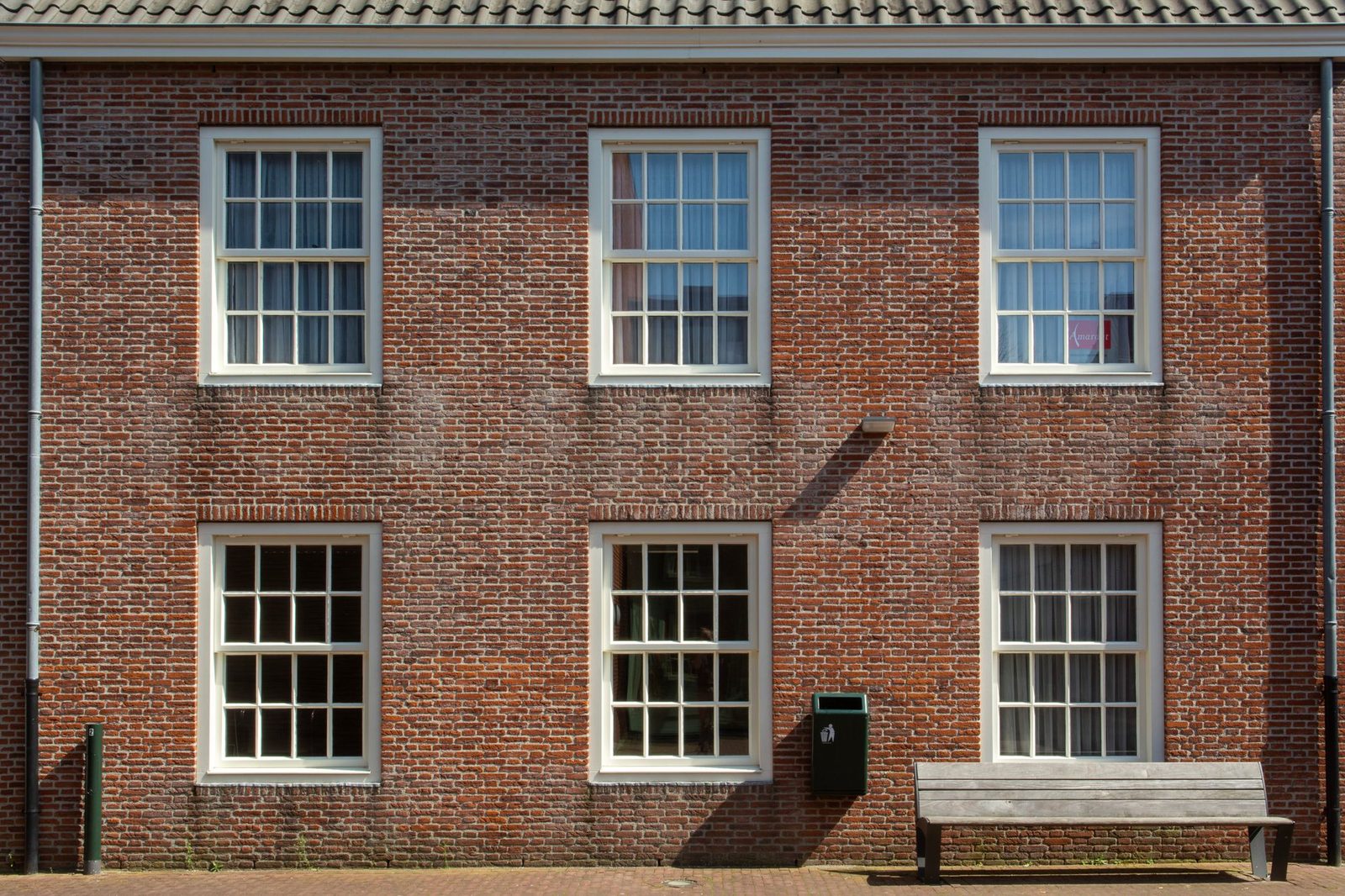
The right houses, filled properly
Most Teesside homes built between the 1930s and the 1990s, the Acklam and Fairfield semis, the Billingham estates, half of Ingleby Barwick, have cavity walls that were never filled. Filling them with bonded EPS bead saves £150 to £280 a year on heating and pays back in three to six years. The job takes half a day: 22mm holes drilled in the mortar joints, bead injected with adhesive, holes made good in matched mortar.
When cavity fill is the WRONG answer
This is where honest quoting earns its keep. Cavity fill is a bad idea when the house is in a severe driving-rain exposure zone (parts of the Redcar and Saltburn coast qualify), when the cavity is blocked with rubble or mortar snots, when wall ties are corroded, or when pointing is shot. Fill those walls and you bridge moisture to the inside. A proper survey boroscopes the cavity, checks the exposure map, and inspects the pointing before recommending anything. Roughly one surveyed wall in five gets told no, and that answer is free.
Failed fill and extraction
Older blown fibre and early foam fills fail: they slump, get wet, and cause damp patches that appear years later. Extraction (removing the old fill by vacuum, then refilling with bead or leaving clear) costs £1,500 to £3,000. If your house has mystery damp and an old fill, the survey answers it definitively.
The guarantee that matters
Every fill should come with a 25-year CIGA guarantee, independently backed, transferable on sale. No CIGA, no deal: it is the document buyers' solicitors ask for.