Internal wall insulation in Teesside
Internal wall insulation in Teesside costs £4,000 to £8,000 for a typical scope (one to three external walls or a whole room set) in 2026. It is the standard fix for Teesside's solid-wall Victorian terraces, which have no cavity to fill and lose a third of their heat through the walls.
For the houses with no cavity
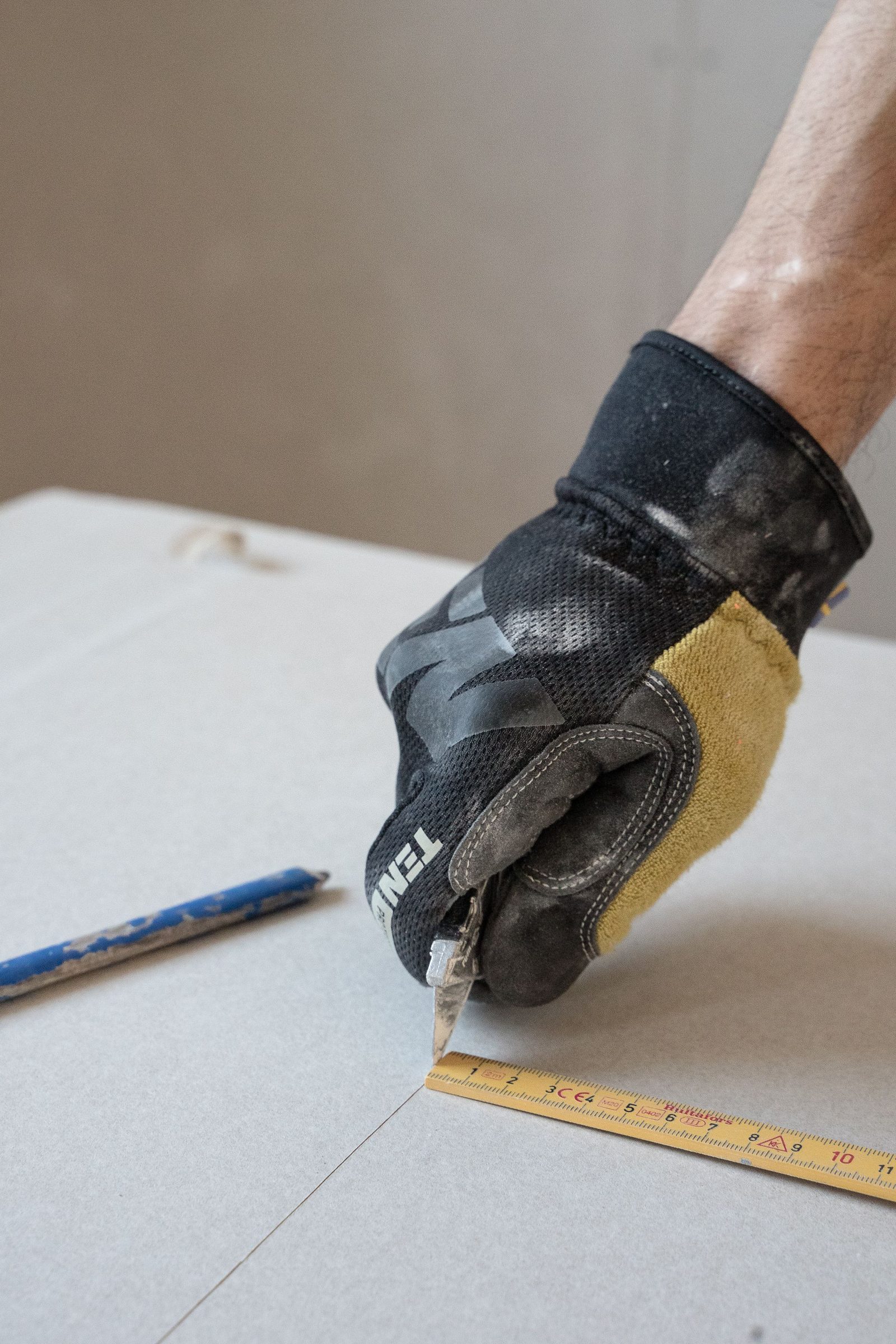
Teesside's Victorian and Edwardian terraces, Linthorpe, North Ormesby, the Headland, Saltburn's tall rows, were built with solid brick walls: no cavity, nothing to inject, and up to 35 percent of the house's heat going straight through the masonry. Internal wall insulation (IWI) is the practical fix: 50 to 100mm of insulation on the inside face of the external walls, new plasterboard, skimmed and decorated.
The moisture question, answered properly
Solid walls manage moisture by breathing, and the wrong IWI build-up traps condensation inside the wall, where it grows mould you can't see. The right build-up depends on the wall: vapour-open systems (wood fibre, mineral wool with smart membranes) for most Victorian brick, rigid PIR with a sealed vapour control layer where conditions suit. A quote that doesn't mention moisture risk or condensation analysis is a quote to walk away from.
What it costs and what you lose
£4,000 to £8,000 for the typical scope, one to three external walls. The trade-off: rooms lose 50 to 100mm per treated wall, and window reveals, skirtings, sockets and radiators all get extended or moved. Done well, the finish is invisible; done cheaply, the reveals and cold bridges around windows become mould farms. The detail work is the job.
Grants change the maths
Solid-wall insulation is a priority measure under ECO4: eligible homes can get it fully funded, and the grant route is worth checking before pricing private work.